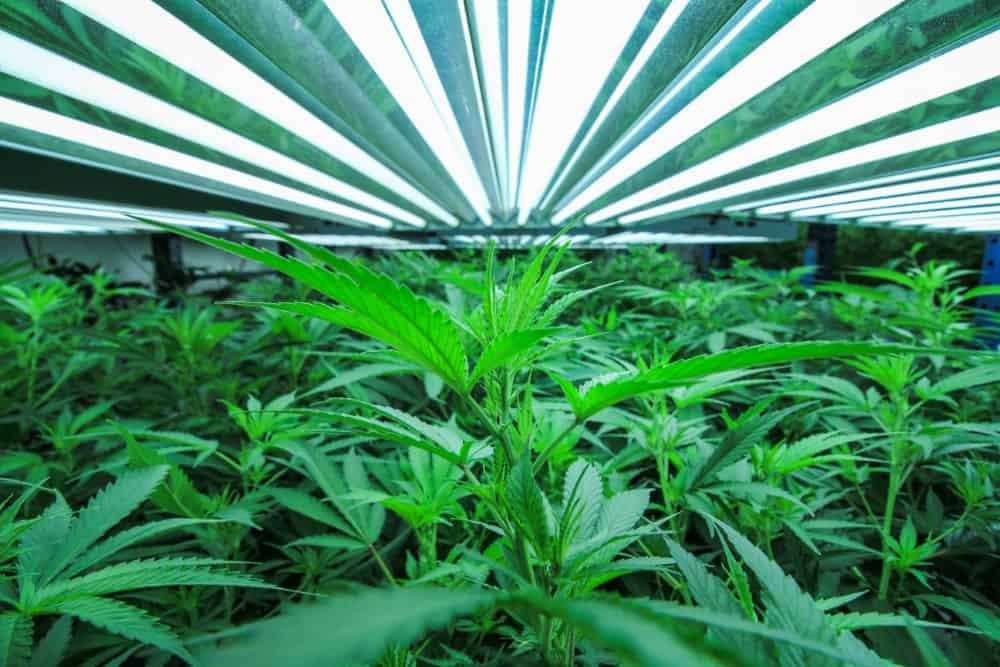
Centralized “LED grow light controllers” are transforming the horticulture industry by automating the essential processes of dimming, sunrise/sunset simulation, and zone management. These innovative systems not only enhance lighting efficiency but also optimize plant growth, ensuring that commercial growers can achieve healthier yields and reduced operational costs. As the demand for effective horticultural lighting solutions increases, understanding the mechanics and advantages of these controllers becomes crucial for maximizing productivity in indoor grow environments. This article delves into the mechanisms of centralized LED grow light controllers, exploring their key features, applications, and the benefits they offer to commercial growers.
We will look at how automated dimming and schedules improve grow room conditions, the significance of sunrise and sunset simulation, the advantages of zone-based management, and the distinguishing features that set advanced lighting systems apart. Along the way, we will also touch on how companies like UPLUX, through their offerings at uplux.com, are contributing to this evolution in lighting technology.
What are centralized LED grow light controllers and how do they optimize commercial horticulture lighting?
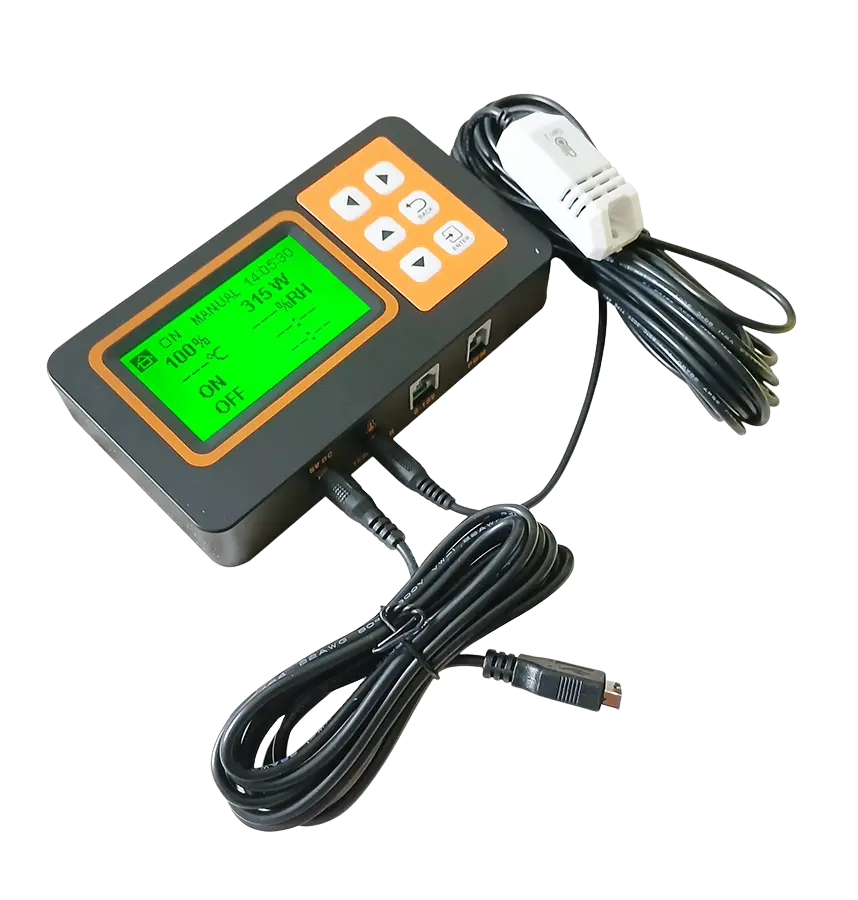
Centralized LED grow light controllers are sophisticated systems designed to regulate and automate the lighting conditions in commercial grow rooms. These controllers efficiently manage light output by adjusting “dimming settings” based on plant needs, mimicking natural light patterns such as sunrise and sunset transitions. Supporting integration with PWM, 0-10V, and RJ11 protocols, they offer control over up to 30 linked fixtures and support advanced scheduling features such as Daily Cycle, Custom Cycle, and Sunrise/Sunset ramp simulation. Additionally, temperature and humidity sensor support enables automated environmental protection features such as Temperature Protection whereas emergency shut-off thresholds and dual temperature sensor integration are not currently supported. This automation ensures consistency in plant lighting and significantly enhances energy efficiency, resulting in reduced operational costs for growers. Moreover, these controllers help in maintaining optimal growth conditions tailored to various plant species’ light requirements, thereby promoting healthier and more vigorous plant growth.
How do automated dimming and scheduling improve commercial grow room environments?
Automated dimming systems allow for precise control over light intensity and duration, which subsequently improves the microclimate within the grow room. By matching light exposure to the plant growth stages, growers can enhance photosynthesis and overall plant health. Additionally, scheduling allows for specific light timeframes that can lead to increased yields. Studies show that implementing automated lighting can result in energy savings of up to 30%, showcasing the dual benefits of environmental control and cost efficiency.
What is sunrise and sunset lighting simulation and why is it important for plant growth?
Sunrise and sunset lighting simulation involves gradually adjusting light intensity to mimic natural daylight transitions. This process is critical for plant development, as sudden changes in light conditions can stress plants and adversely affect growth. By incorporating this simulation, growers can facilitate a more natural growth rhythm, promoting processes such as flowering and fruiting. Research indicates that plants exposed to these gradual transitions exhibit improved growth patterns and increased resilience to environmental stressors.
How does zone-based lighting management enhance multi-area grow room control?

Zone-based lighting management allows growers to customize light intensity and schedules across different areas of a grow room or across multiple rooms. This tailored approach enables specific lighting configurations suited to the needs of diverse plant varieties or growth phases. By leveraging “zone management”, commercial growers can optimize resources and respond to varying light requirements, resulting in improved overall crop quality and efficiency.
What are the benefits of multi-zone LED grow light dimmer controllers?

The key advantages of multi-zone LED grow light dimmer controllers include significant energy savings, improved operational flexibility, and enhanced plant health. These controllers allow growers to efficiently allocate lighting resources, ensuring that light is directed only where it is needed based on plant growth phases or species. This targeted approach not only conserves energy but also optimizes the growth environment, leading to better yields.
How is zone control implemented in commercial horticultural lighting systems?
Zone control in lighting systems is implemented through advanced programmable settings within centralized controllers. Growers can define specific lighting parameters for each zone, including intensity, duration, and timing of operations. This can be achieved by integrating sensors and timers that respond to real-time plant needs, resulting in a responsive growing environment that significantly enhances productivity.
Which key features differentiate advanced automated horticultural lighting systems?
Advanced automated horticultural lighting systems offer a range of features that set them apart from traditional models, including enhanced energy efficiency, advanced automation capabilities, and user-friendly interfaces. These systems are designed with sophisticated sensors and software that allow for real-time adjustments based on environmental conditions, promoting optimal growth conditions for plants.
How do current LED grow light controllers ensure energy savings over traditional lighting?
LED grow light controllers significantly reduce energy consumption through their efficient design and advanced control systems. Compared to traditional lighting systems, LED technology can consume up to 75% less energy while delivering higher quality light tailored for plant growth. Furthermore, many modern controllers come equipped with energy management features that help track usage and provide insights into ways to improve efficiency.
What compatibility and installation considerations apply to LED grow light automation?
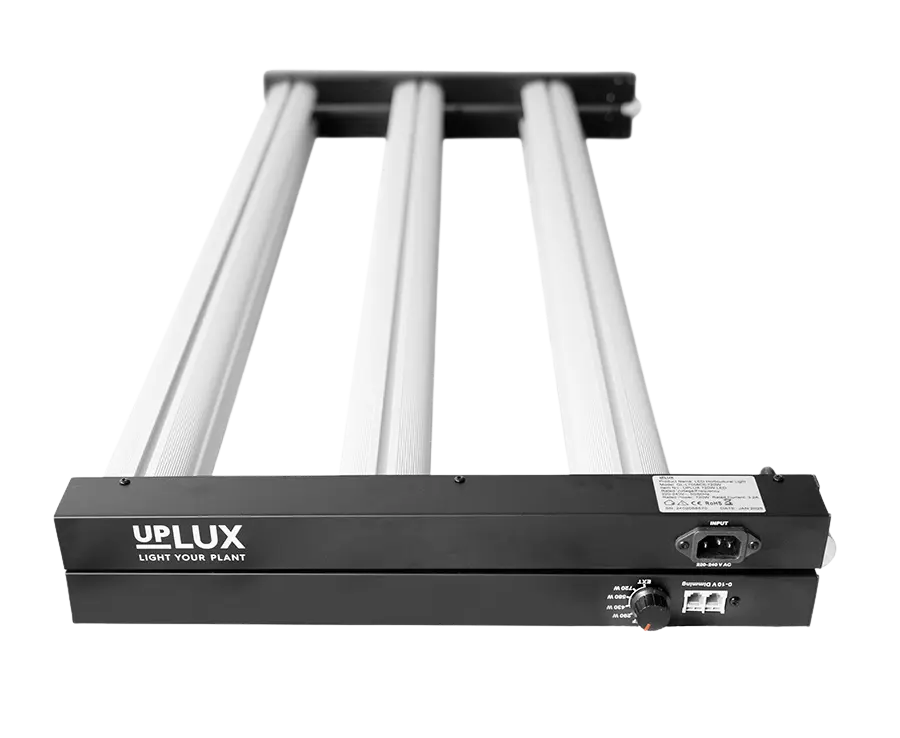
When implementing LED grow light automation, compatibility with existing systems is crucial. Many controllers are designed to integrate seamlessly with current horticultural setups, ensuring minimal disruption during installation. UPLUX controllers are specifically compatible with UPLUX fixtures, including the UPLUX 840 and UPLUX 720 models. The UPLUX 840 fixture features an 840W power output, autosensing input voltage of 100-277V, a built-in driver, and supports RJ11 and 0-10V dimming protocols. The UPLUX 720 offers 720W power with a high photon efficacy described in safe terms consistent with industry standards. Proper installation should also consider lighting layout, plant needs, and overall grow room design. Growers should consult product specifications to ensure that the chosen system aligns with their operational requirements.
What commercial applications and ROI benefits do centralized grow light controllers provide?
Centralized grow light controllers are particularly valuable in commercial applications, offering substantial return on investment (ROI) through increased productivity and reduced energy costs. These systems provide the flexibility to adapt lighting according to crop cycles, allowing for more efficient production schedules and the ability to scale operations without incurring significant increases in energy expenses.
How do commercial growers leverage automated dimming and zone management for better yields?
Commercial growers utilize automated dimming and zone management to create optimal growing conditions tailored to specific plant types and their growth stages. The ability to control light intensity and schedule across different zones effectively maximizes plant growth, leading to increased yields. By tracking plant response to lighting adjustments, growers can fine-tune their strategies and achieve superior crop performance.
What recent success stories demonstrate improved energy efficiency and plant growth?
Recent findings suggest that commercial growers implementing centralized LED grow light controllers have reported up to a 40% increase in crop yields along with notable reductions in energy use. Many operations have shared success stories of improved plant health, enhanced growth rates, and significant cost savings, showcasing the tangible benefits of modern horticultural lighting solutions. These advancements position centralized grow light controllers as essential tools for the future of commercial horticulture.
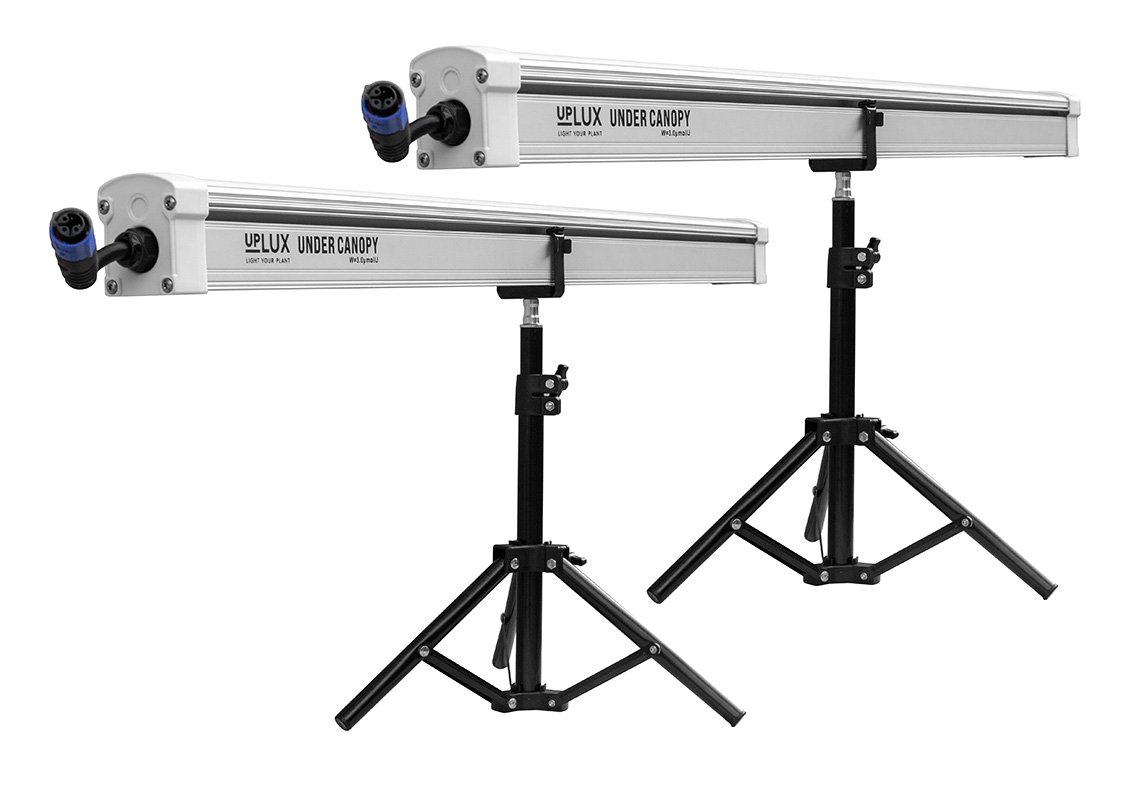
Claims regarding standalone systems such as the UPLUX 240 Quantum, T5 lamps, or 120W under canopy fixtures are currently WAITING FOR APPROVED SOURCE, so growers are advised to review the latest specifications from manufacturers.
| Feature | Description | Impact Level |
|---|---|---|
| Automated Dimming (PWM / 0-10V / RJ11) | Integration of flexible dimming protocols with temperature and humidity sensor support for Temperature Protection | High |
| Zone Management | Customizable lighting and scheduling per area, with up to 30 linked fixtures control | High |
| Fixture Compatibility | Supports UPLUX 840 and UPLUX 720 fixtures with autosensing 100-277V input and advanced photon efficacy | High |
| Energy Efficiency | Reduced consumption compared to traditional systems with real-time energy management | Very High |
This table illustrates the distinct features of centralized LED grow light controllers and their significant impact on commercial horticulture. Each feature contributes not only to improved plant growth but also to overall efficiency within the grow room.
By integrating these advanced systems, growers can transform their operations, ensuring that their lighting strategies align with the latest advancements in horticultural science and technology.
BE THE FIRST TO KNOW
TOP ARTICLES

The Commercial Buyer’s Guide to Professional LED Grow Lights: Maximizing Efficiency with PPF, PPE, and Total Cost of Ownership
Maximize indoor growth with professional LED grow lights. This buyer’s guide covers essential features and options for effective commercial grow lighting.

Full-Spectrum vs Targeted Spectrum in Modern Horticultural Lighting: Understanding PAR Levels and Crop Yield Optimization
Maximize yield with cutting-edge full-spectrum LED grow lights. Commercial grow lighting enhances plant growth and energy efficiency for horticultural success.

Centralized LED Grow Light Controllers: Automating Commercial Grow Room Dimming, Sunrise/Sunset, and Zone Management for Optimal Plant Growth
Streamlined dimming and zone management for LED grow lights allows precise control for optimal plant growth. Enhance energy efficiency and maximize yield today.