The Commercial Buyer’s Guide to Professional LED Grow Lights: Maximizing Efficiency with PPF, PPE, and Total Cost of Ownership
In the realm of modern horticulture, professional LED grow lights are pivotal for fostering plant growth while enhancing energy efficiency. This guide delves into essential metrics such as Photosynthetic Photon Flux (PPF) and Photosynthetic Photon Efficacy (PPE), equipping commercial buyers with the knowledge to make informed choices on lighting solutions. Given the rising operational costs in agriculture, understanding the implications of PPF and PPE helps mitigate energy expenses and optimizes crop yields. Readers will garner insights into calculating the “Total Cost of Ownership” (TCO) for LED grow lights, comparing various commercial products, and making educated decisions on their investments in sustainable lighting systems. The sections ahead cover how to evaluate lighting options effectively, driving towards the best practices in energy-efficient horticulture.
What Are Photosynthetic Photon Flux and Photosynthetic Photon Efficacy in LED Grow Lights?
Photosynthetic Photon Flux (PPF) and Photosynthetic Photon Efficacy (PPE) are critical metrics in evaluating the performance of LED grow lights. PPF measures the total amount of photosynthetically active radiation emitted by a light source per second, indicating its potential efficiency in supporting plant growth. Conversely, PPE assesses how efficiently that light energy is converted into usable light by the plants, offering insight into the energy consumption of the lighting system. These metrics are indispensable for understanding and optimizing plant growth under artificial lighting conditions, leading to better yield outcomes and more efficient resource utilization.
How is PPF measured and why does it matter for plant growth?
PPF is measured in micromoles per second (), which quantifies the number of photons in the wavelength range effective for photosynthesis. This measurement is vital as it allows growers to determine whether their lighting setup is adequate for the specific types of plants they are cultivating. By ensuring that plants receive the appropriate “PPF”, growers can optimize their growth rates and overall health, translating to increased agricultural profitability.
What role does PPE play in energy efficiency and operational savings?
Photosynthetic Photon Efficacy (PPE), measured in micromoles per joule (), serves as a benchmark for energy efficiency in lighting systems. A higher PPE signifies that a light system can deliver more usable light for plant growth relative to its energy usage. This efficiency directly correlates to operational savings by reducing electricity consumption. Growers focusing on PPE can substantially decrease their energy costs while maintaining high productivity levels, enhancing the economic viability of their horticultural operations.
How to Calculate the Total Cost of Ownership for Commercial LED Grow Lights?
Calculating the Total Cost of Ownership (TCO) for commercial LED grow lights extends beyond the initial purchase price; it encompasses operational costs, maintenance, and potential returns on investment. Understanding TCO is crucial for making informed purchasing decisions that align with long-term financial goals.
Which cost factors contribute to initial and operating expenses?
Initial costs for LED grow lights typically include the purchase price, installation expenses, and any necessary modifications to existing infrastructure. Operating expenses comprise electricity consumption, maintenance, and potential system upgrades over time. Factoring in these components allows for a comprehensive view of expected financial outlay, enabling buyers to evaluate the long-term affordability of their lighting systems.
What tools and methods are recommended for accurate TCO assessment?
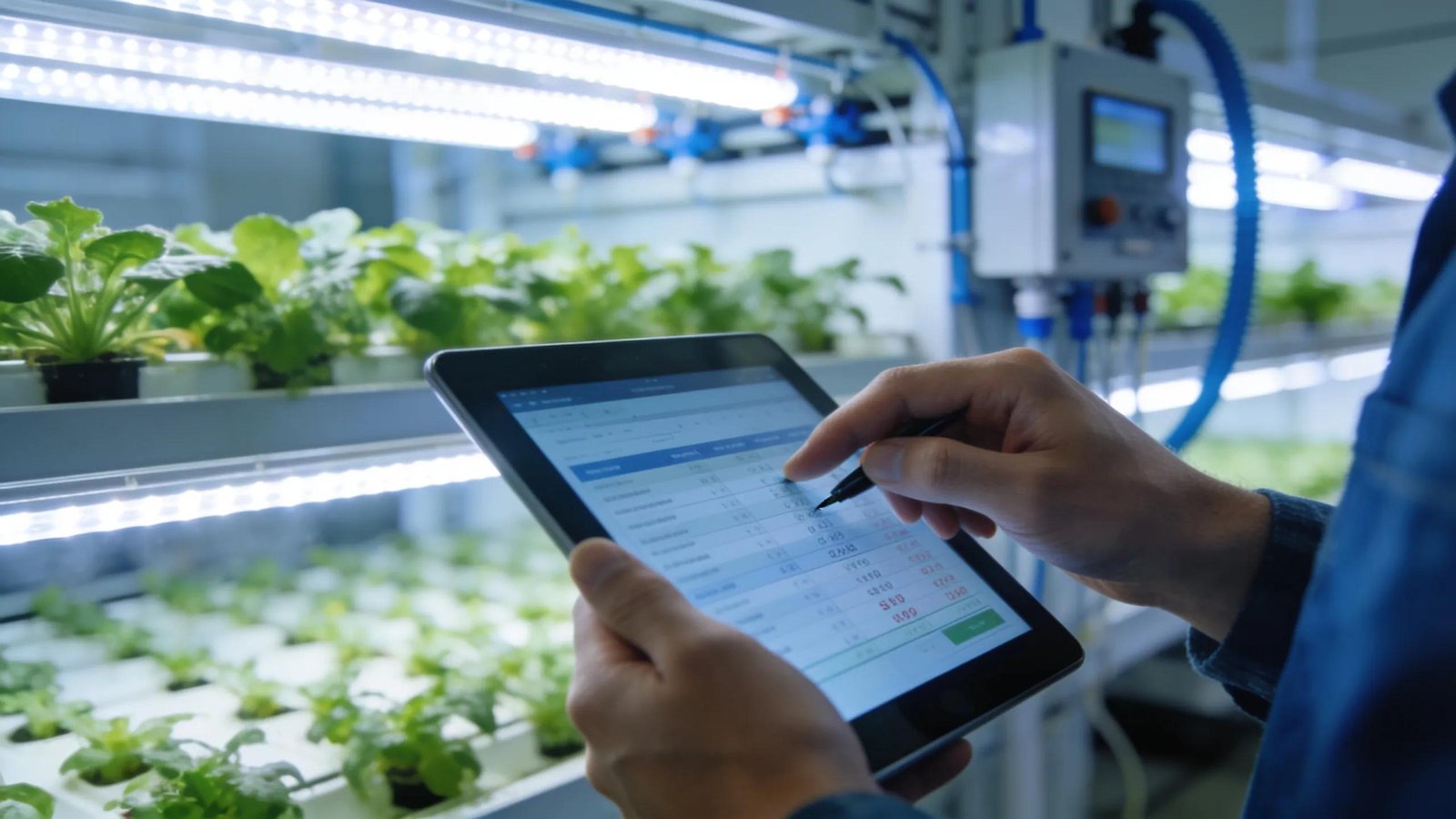
Several tools and methodologies can facilitate accurate TCO assessment. Cost calculators are available online, allowing users to input their specific parameters, including energy rates and operational hours. Additionally, consulting with lighting specialists can offer tailored insights and recommendations for lighting setups that optimize TCO while aligning with growers’ production strategies.
What Are the Best Professional LED Grow Lights for Energy Efficiency in Commercial Indoor Farming?
When evaluating the best professional LED grow lights for energy efficiency, it’s crucial to compare lighting systems across metrics such as PPF, PPE, and durability. Various manufacturers offer cutting-edge designs that cater to specific horticultural needs, making it essential to understand the nuances of each option.
How do leading commercial brands compare on PPF, PPE, and durability?
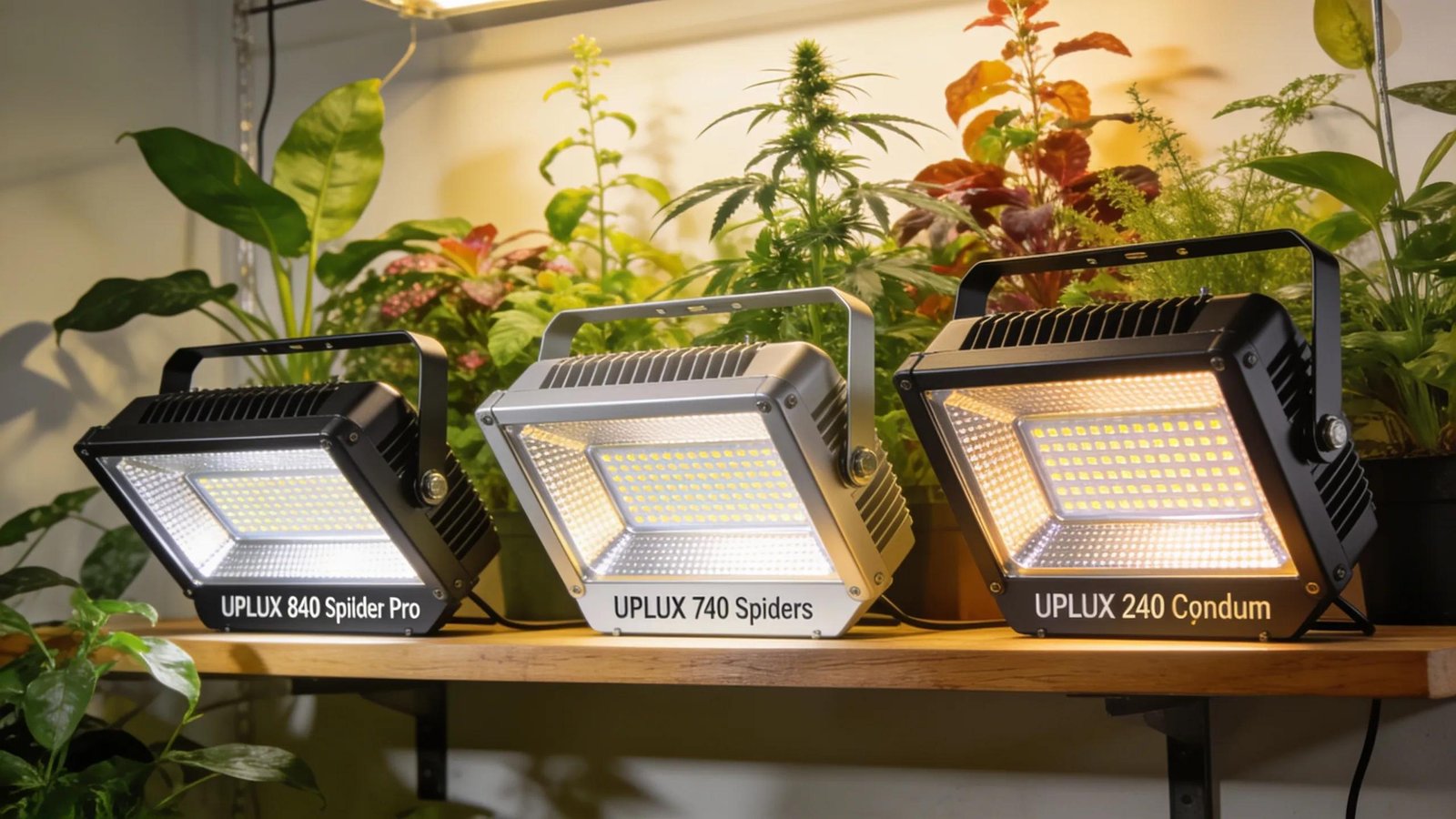
In a comparative analysis of leading brands, it’s evident that top-tier options provide superior PPF and PPE ratings. For example, the UPLUX 840 Spider Pro specifies 840W power consumption, features ultra-high photon output delivering commercial PPFD, and uses Top Bin Samsung LEDs rated for 100,000 hours. It includes a 3-year warranty, a built-in driver with autosensing voltage ranging from 100-277V, and an IP65 durability rating. Its control interface consists of manual dimmer controls, RJ11, and 0-10V capabilities. The fixture supports a 4×4 flowering footprint or 5×5 vegetative footprint. Another model, the UPLUX 720, has a power consumption of 720W and delivers a high Photosynthetic Photon Efficacy (PPE) rating of 3.0 µmol/J, making it an excellent option for commercial Total Cost of Ownership (TCO) and Return on Investment (ROI) calculations. Details on other products such as the UPLUX 240, T5, and Under Canopy 120W are currently WAITING FOR APPROVED SOURCE and should be considered preliminary until verified.
Which features reduce energy costs while maximizing crop yields?
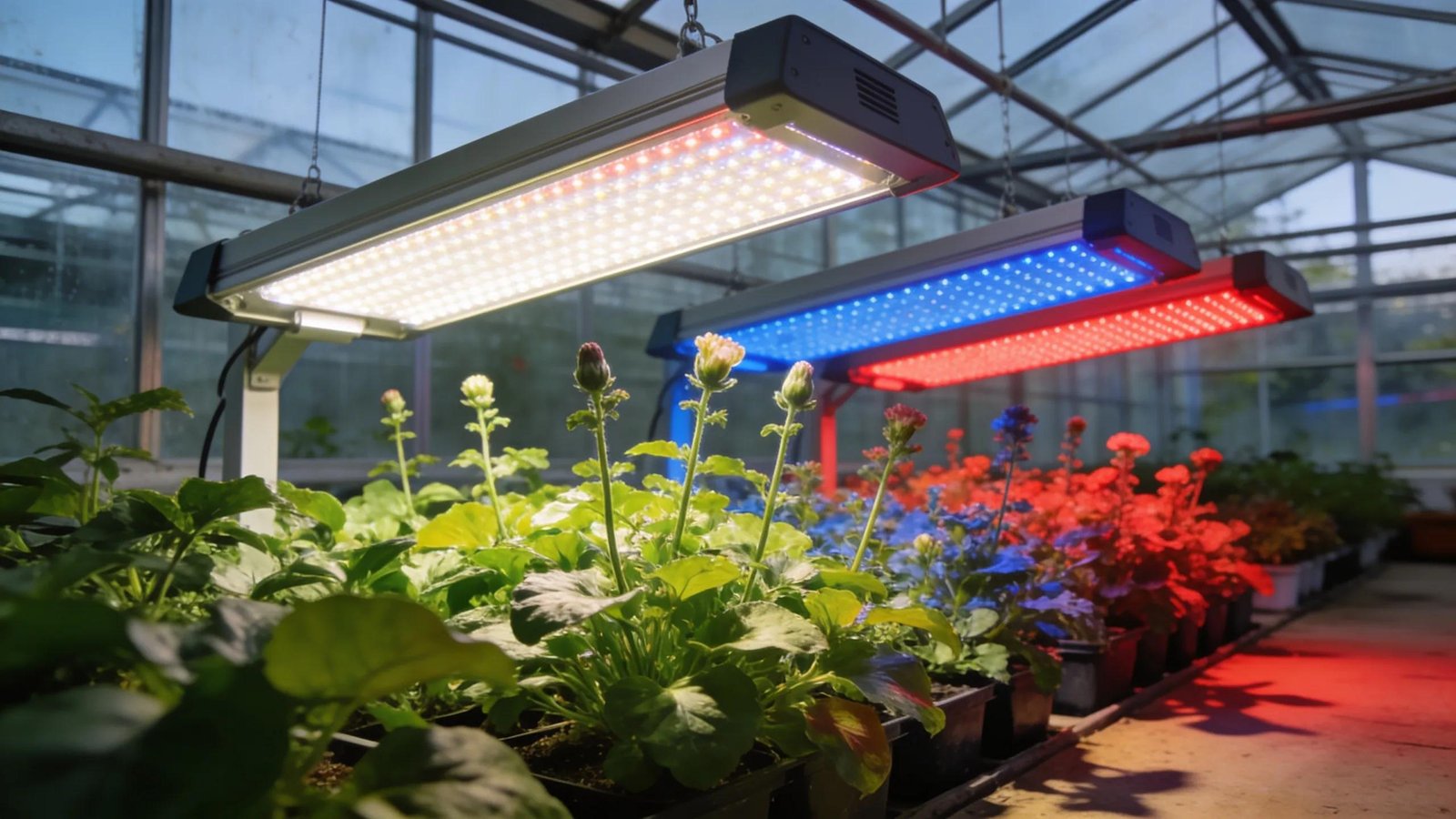
Innovative features such as dimmable options, customizable light spectrums, and high-efficiency heat sinks contribute significantly to reducing energy costs. By facilitating tailored growing environments, these features allow growers to enhance yields without incurring excessive operational expenses. Opting for lighting systems that integrate these advanced technologies appears beneficial for maximizing crop yields effectively.
By employing a comparative approach based on these tables, growers can make data-driven decisions tailored to their operational requirements.
Why Choose UPLUX’s Professional LED Grow Lights for Commercial Horticulture?
UPLUX stands out in the LED lighting sector, emphasizing innovative designs that prioritize energy savings and effectiveness in horticultural applications. Their focus on advanced lighting solutions has positioned them as a reliable partner for commercial growers aiming for optimal productivity.
How does UPLUX ensure superior light output and energy savings?
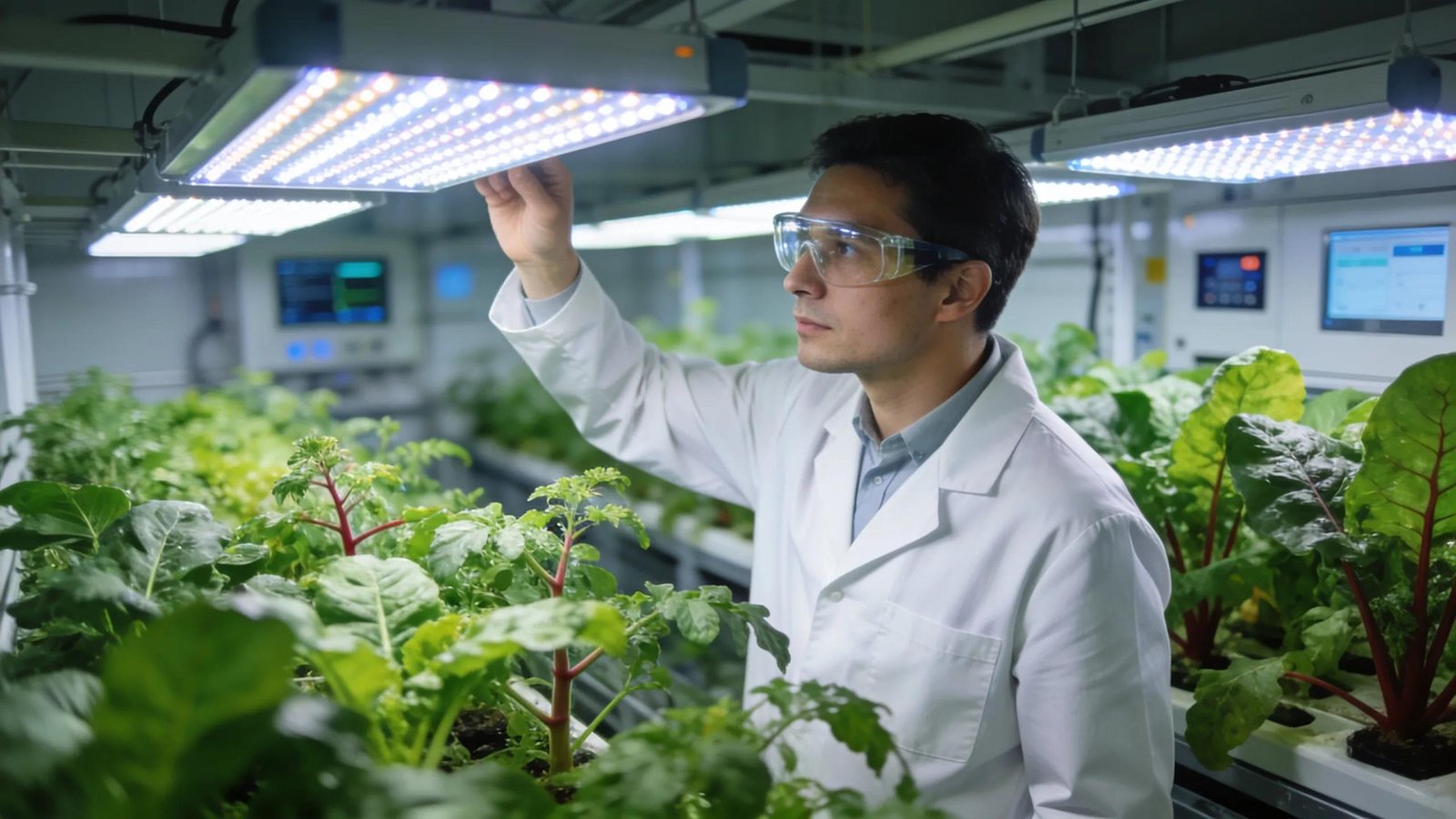
To achieve superior light output, UPLUX utilizes advanced LED chip technology and precision-engineered reflectors that direct light efficiently toward plants. This technology not only maximizes light availability but also minimizes energy loss, ensuring that growers receive both performance and energy efficiency from their investment.
What support and resources does UPLUX provide for commercial buyers?
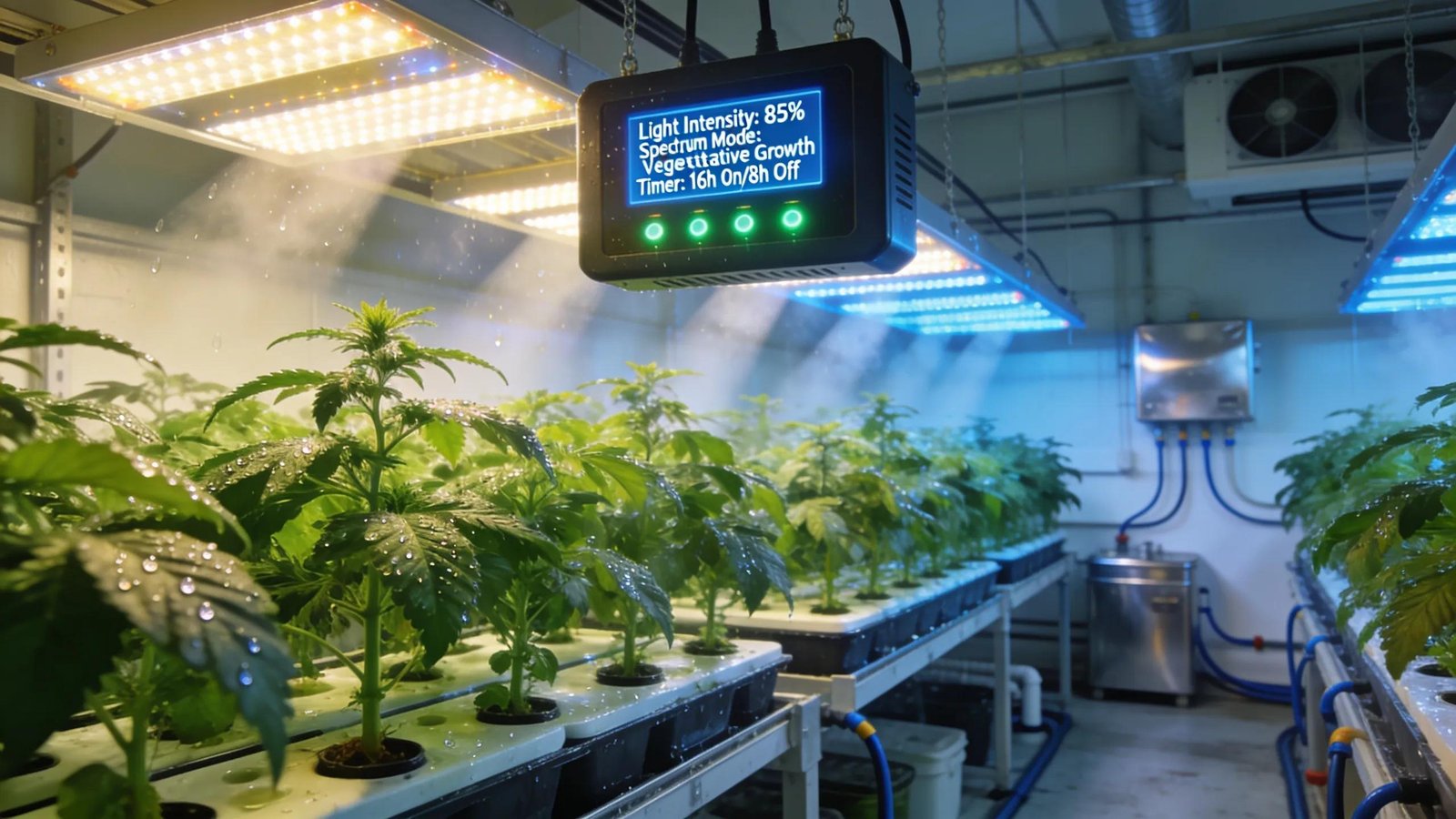
UPLUX offers comprehensive support resources for buyers, including installation guides, maintenance tips, and expert consultation services to ensure clients optimize their lighting setups for maximum efficiency. Their controller supports 0-10V and PWM interfaces, can link up to 30 fixtures, and features daily/custom light timing cycles including sunrise/sunset modes. Additionally, it provides temperature protection with integrated temp/humidity sensor monitoring. UPLUX’s commitment to customer support underscores their dedication to fostering long-term relationships and enhancing the overall buyer experience.
Maximize indoor growth with professional LED grow lights. This buyer’s guide covers essential features and options for effective commercial grow lighting.
Maximize yield with cutting-edge full-spectrum LED grow lights. Commercial grow lighting enhances plant growth and energy efficiency for horticultural success.
Streamlined dimming and zone management for LED grow lights allows precise control for optimal plant growth. Enhance energy efficiency and maximize yield today.