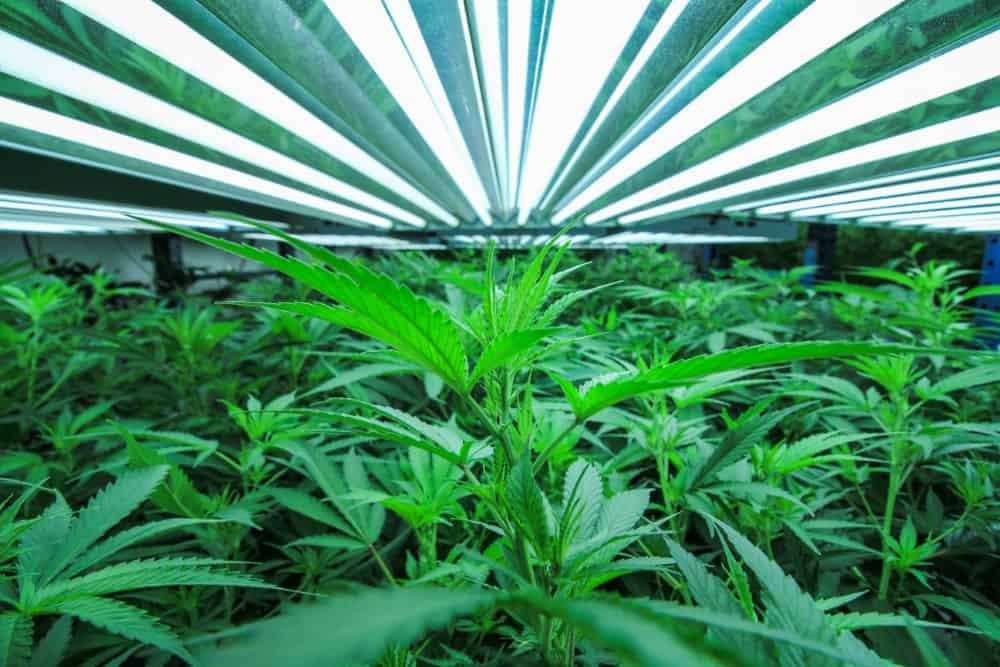
UPLUX 720 vs 840 LED Grow Light: Which Fixture Fits Your Grow?
Compare the UPLUX 720 and 840 LED grow lights by power, efficiency, controls, cooling and installation needs to choose the right fixture.

By UPLUX Editorial Team — Updated September 7, 2026
LED grow lights have changed what indoor growers can expect from a lighting system. Instead of building a room around hot, short-lived lamps, growers can choose fixtures designed for efficient photon delivery, controllable output and the exact shape of the canopy.
That does not mean every LED fixture is a good one—or that the biggest wattage wins. The right light is the one that fits the room, the mounting height, the crop application and the way the facility needs to operate. UPLUX builds professional horticultural lighting around that practical idea, from compact board-style fixtures to high-output commercial systems and under-canopy supplementation.
An LED grow light uses light-emitting diodes to produce plant-usable light for indoor cultivation, propagation, greenhouses and controlled-environment agriculture. Horticultural fixtures are designed around the photons plants receive—not simply how bright a lamp looks to the human eye.
Modern fixtures can combine broad-spectrum white light with selected wavelengths that support photosynthesis and plant development. A good spectrum is important, but it is only one part of the system. Intensity, distribution, mounting height, photoperiod and environmental control all shape the result.
Traditional HID systems such as metal halide and high-pressure sodium rely on replaceable lamps, reflectors and ballasts. LED fixtures use solid-state light sources arranged across boards, bars or linear housings. This gives designers more freedom to distribute light across a canopy and makes dimming easier when compatible controls are used.
The commercial advantage is not that LEDs are maintenance-free. It is that a well-designed LED system can deliver more plant-usable light per unit of electricity, require less routine lamp replacement and remain easier to control than many legacy systems.
A full-spectrum fixture provides a broad range of wavelengths rather than relying on a narrow red-and-blue recipe. That can support multiple crop stages from one fixture and give growers a more natural working view of the canopy. But “full spectrum” is not a quality certificate. Buyers should still compare efficiency, intensity and coverage across the entire growing area.
The strongest reason is operating control. Efficient LED fixtures can reduce the electricity needed to reach a target photon output, while dimming lets a grower tune the system instead of running every fixture at maximum power all the time. Less routine lamp replacement also means fewer interruptions in a commercial room.
LEDs still add heat to the facility, so cooling and dehumidification do not disappear. What changes is the opportunity to design light, electrical load and environmental control as one coordinated system.
There is no honest universal payback period. A project running long photoperiods at high electricity rates may recover the investment faster than a smaller room with limited annual use. Fixture efficiency, electricity cost, cooling load, maintenance and the legacy equipment being replaced all affect the answer. The real buying question is not “Will it pay back in two years?” but “What will this complete system cost to own and operate in my facility?”
Yes—LED output can decline gradually over time. The advantage is generally slower depreciation and less routine lamp replacement than traditional systems, not perfectly unchanged output forever. The U.S. Department of Energy’s explanation of LED useful life describes why output maintenance matters more than a generic lifetime number.
| What matters | LED | HID | Fluorescent |
|---|---|---|---|
| Electrical efficiency | Strong modern options | Typically lower than high-efficiency LED | Suited mainly to lower-intensity roles |
| Light distribution | Board, bar and linear formats | Compact source with reflector | Linear tubes |
| Control | Flexible on compatible systems | Depends on lamp and ballast | Depends on fixture and ballast |
| Routine maintenance | No scheduled lamp replacement | Lamps require replacement | Tubes and ballasts require replacement |
Start with the space, not the product page. Measure the canopy, room dimensions and available mounting height. Decide whether the light will be used overhead, on a bench, in a propagation area or below an established canopy. Then check the electrical supply and decide whether the installation needs manual dimming or centralized schedules.
Only then should wattage, PPF, PPFD and PPE enter the conversation. Wattage tells you what a fixture consumes; it does not tell you how evenly the light reaches the crop. A strong center PPFD number can hide weak edge coverage, and more power is not automatically the better choice. For larger rooms, use a full canopy map and the UPLUX grow room lighting design guide.
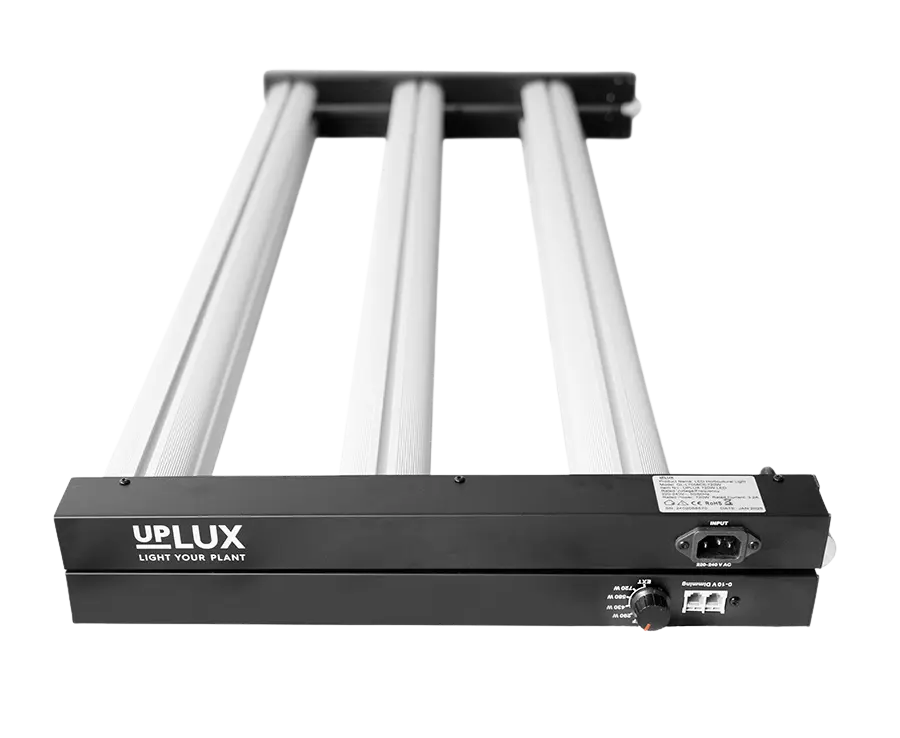
Bar-style fixtures spread emitting points across several linear bars, which can help distribute light over a broad overhead footprint. Board-style fixtures concentrate the diode array in a compact format that can work well in smaller rooms, benches and propagation areas. One architecture is not automatically superior; each solves a different layout problem.
The UPLUX 240 Quantum is the compact board-style choice in the range: 240 W with verified 2.14 µmol/J efficiency. For high-output overhead lighting, the UPLUX 720 Spider provides 720 W, verified 3.0 µmol/J efficiency, a six-bar design, manual dimming and 0–10V control across 110–277 VAC.
Use the metrics as decision tools, not as the emotional center of the purchase. PPF tells you the total photosynthetic photon output. PPFD tells you how much reaches each square meter of canopy. PPE shows how efficiently the fixture turns electrical input into photons. DLI combines intensity with the daily operating time.
That is enough to ask better questions: Is the output efficient? Is it evenly distributed? Does the spectrum suit the application? Can the room deliver the intended daily light without wasting energy? The UPLUX full-spectrum lighting guide explores spectrum choices without reducing plant lighting to one red/blue formula.
A controller turns manual adjustments into a repeatable operating plan. The UPLUX Controller supports 0–10V and PWM control, Auto Pilot, daily and custom schedules, Sunrise/Sunset ramping, Temp Protection and temperature/humidity sensor support. It can manage up to 30 linked compatible fixtures.
That makes it useful for professional rooms that need consistent scheduling and centralized dimming. It is not presented here as a remote, multi-room or independent-zone controller. See the UPLUX LED controller guide for the verified functions and planning considerations.
For higher-power commercial applications, the UPLUX 840 Spider Pro combines 840 W input with Top-Bin Samsung LEDs, passive thermal cooling, daisy-chain capability and a 3-year warranty. It is the range’s higher-power option for projects that need more overhead capacity. Exact PPF and distribution should be taken from the current project documentation.
When the overhead system cannot deliver enough light through a dense canopy, the UPLUX Under Canopy 120W adds a purpose-built supplemental layer. It delivers 360 µmol/s PPF at 3.0 µmol/J, supports 0–10V control and 120–277 VAC, and carries IP65, ETL, CE and UKCA documentation.
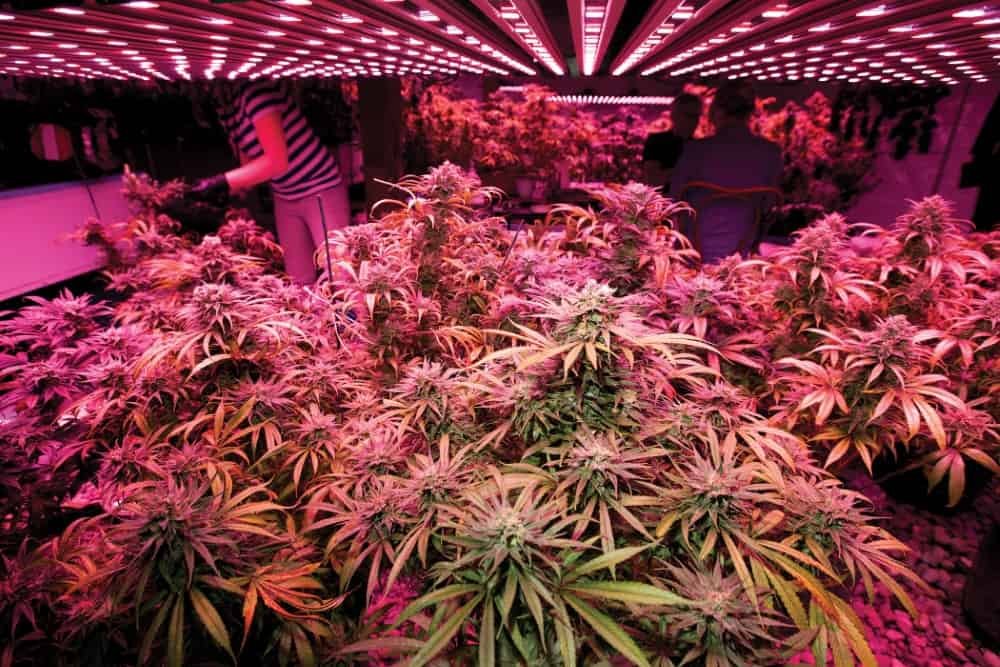
Commercial buyers should look at the complete lighting system, not one headline specification. Compare the canopy map, fixture count, input voltage, control protocol, cooling load, warranty and installation requirements. Ask how the system will perform at the intended height and dimming level—not only at the manufacturer’s best test point.
For a complete procurement checklist, read the UPLUX commercial LED grow light buyer’s guide.
The best LED grow light is not automatically the most powerful or the most expensive. It is the fixture that delivers the right light to the right canopy, works with the room’s electrical and environmental systems, and remains practical to control every day.
UPLUX covers the essential roles with compact board lighting, efficient commercial overhead fixtures, higher-power options, under-canopy supplementation and centralized control. That gives growers a focused range without forcing every project into the same solution.
LED fixtures generally need less routine lamp replacement than HID or fluorescent systems, although their output still declines gradually over time. Useful life depends on the complete fixture, thermal design and operating conditions, so use product-specific documentation rather than a universal 50,000-hour claim.
Payback depends on fixture efficiency, electricity rates, operating hours, cooling, maintenance and the system being replaced. Compare the real annual operating cost instead of assuming a fixed two-year result.
Look beyond the phrase “full spectrum.” Compare fixture efficiency, the measured spectrum, a PPFD map at the planned mounting height, control compatibility, certifications and warranty support.
Choose the format that fits the canopy. Bar-style fixtures spread emitting points across a wider frame; board-style fixtures keep the array compact. The PPFD map and room dimensions should decide—not the label.
Not for every installation. A controller becomes valuable when compatible fixtures need centralized dimming, repeatable schedules, sunrise/sunset ramping or temperature protection.
Compare the UPLUX 720 and 840 LED grow lights by power, efficiency, controls, cooling and installation needs to choose the right fixture.
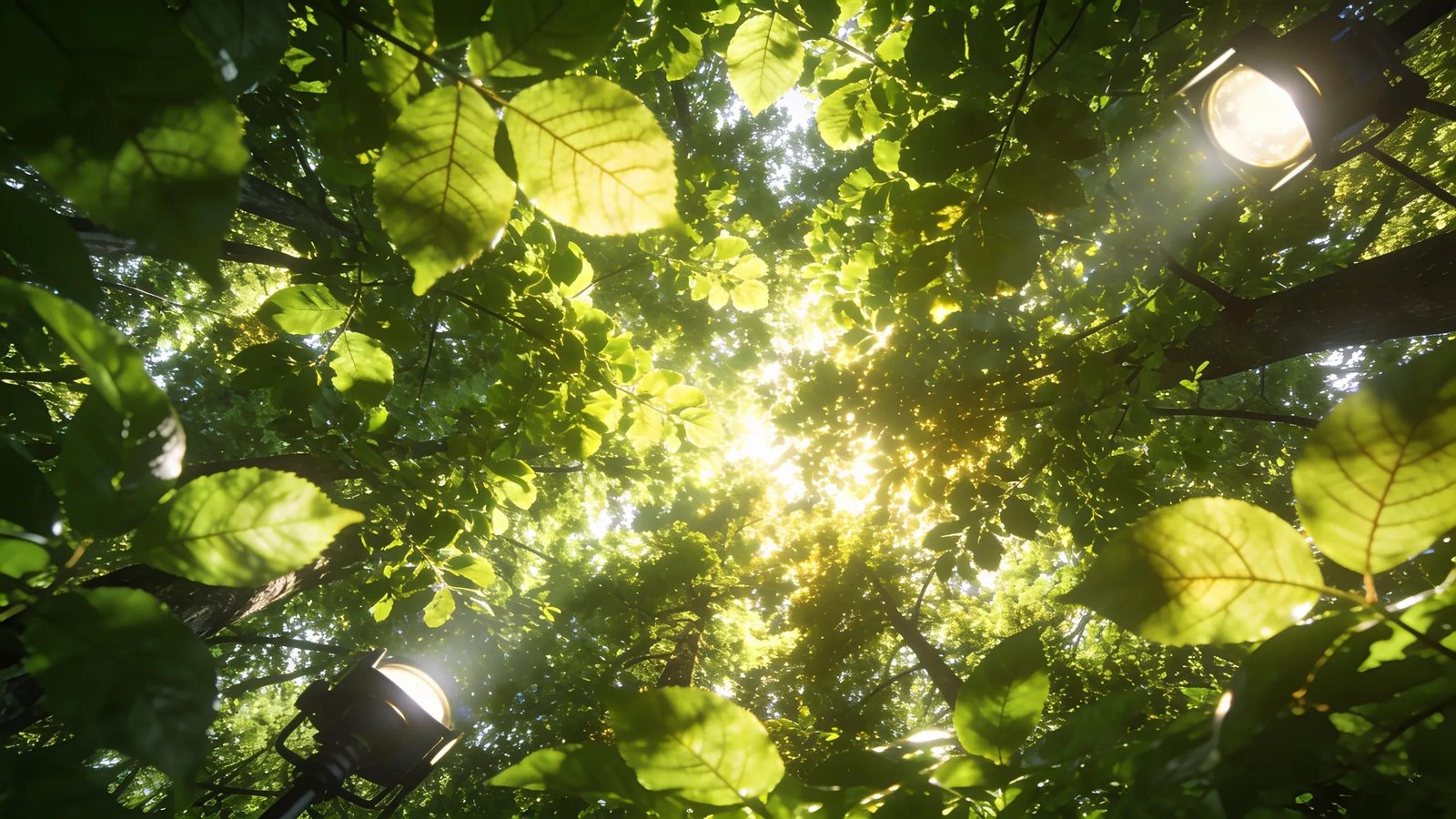
UPLUX under canopy grow lights deliver targeted illumination to lower plant zones, eliminating larf and boosting bud density for higher yields.
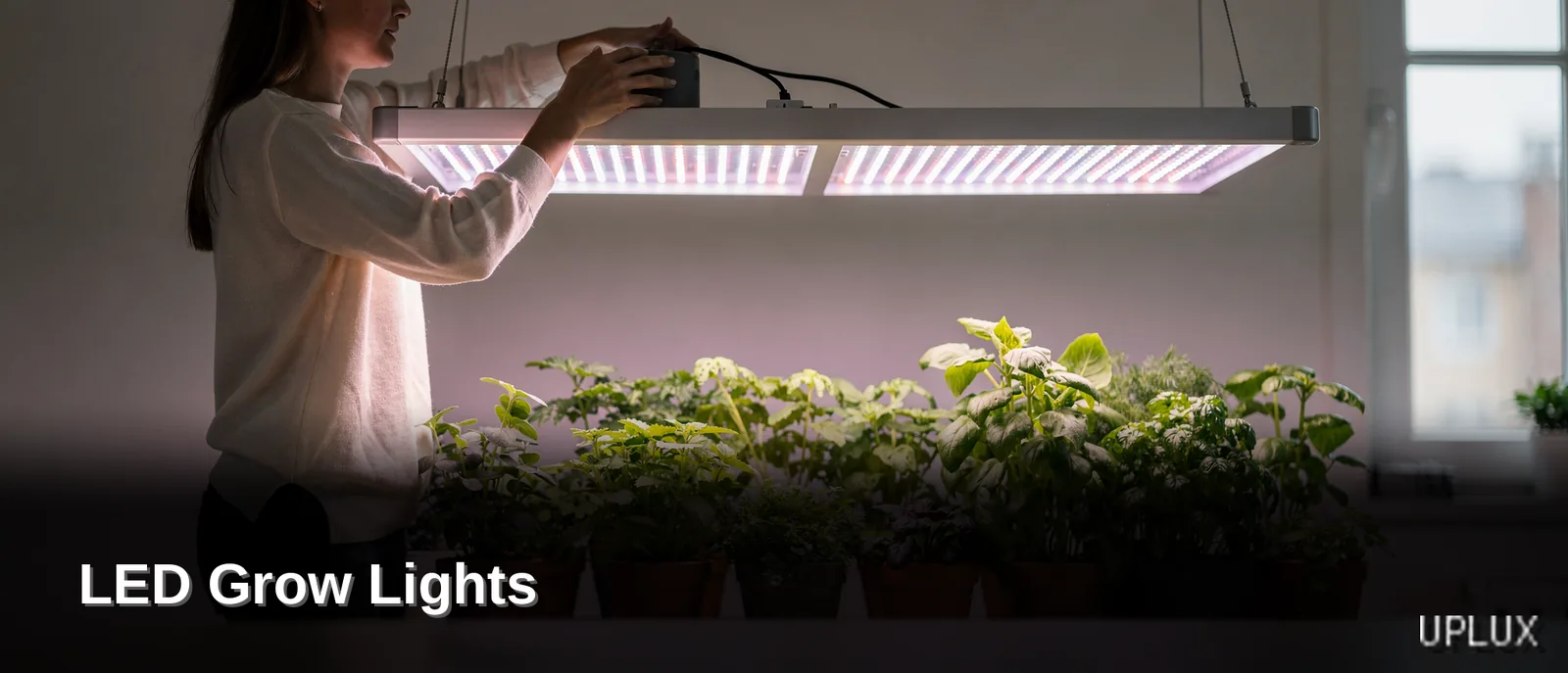
Learn how to compare LED grow lights by PPF, PPFD, PPE, spectrum, form factor, controls and operating cost—and explore verified UPLUX fixtures.