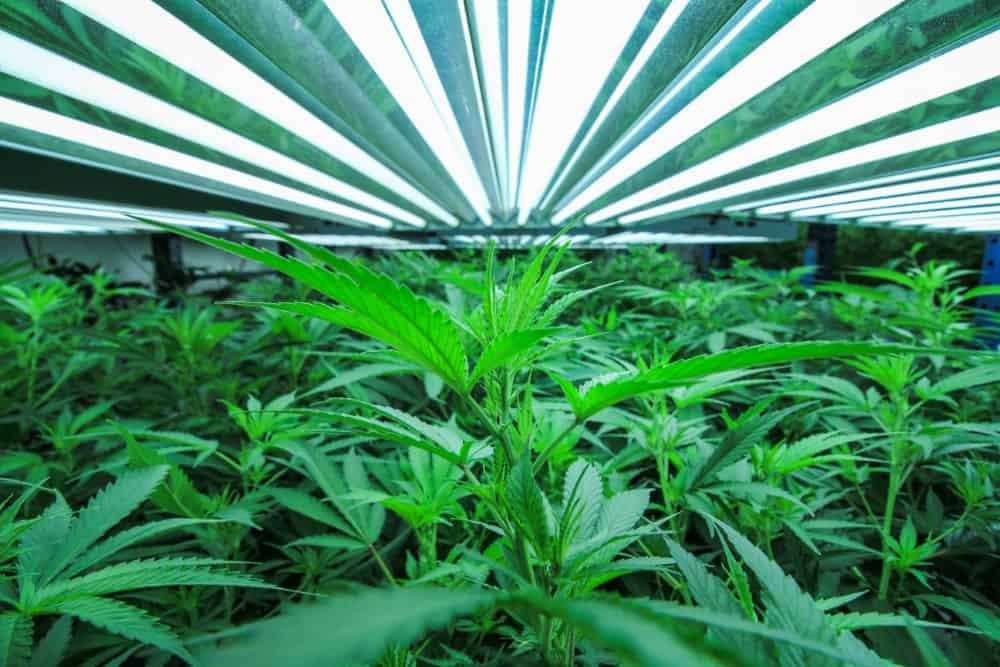
UPLUX 720 vs 840 LED Grow Light: Which Fixture Fits Your Grow?
Compare the UPLUX 720 and 840 LED grow lights by power, efficiency, controls, cooling and installation needs to choose the right fixture.

By UPLUX Editorial Team · Updated 2026-09-07
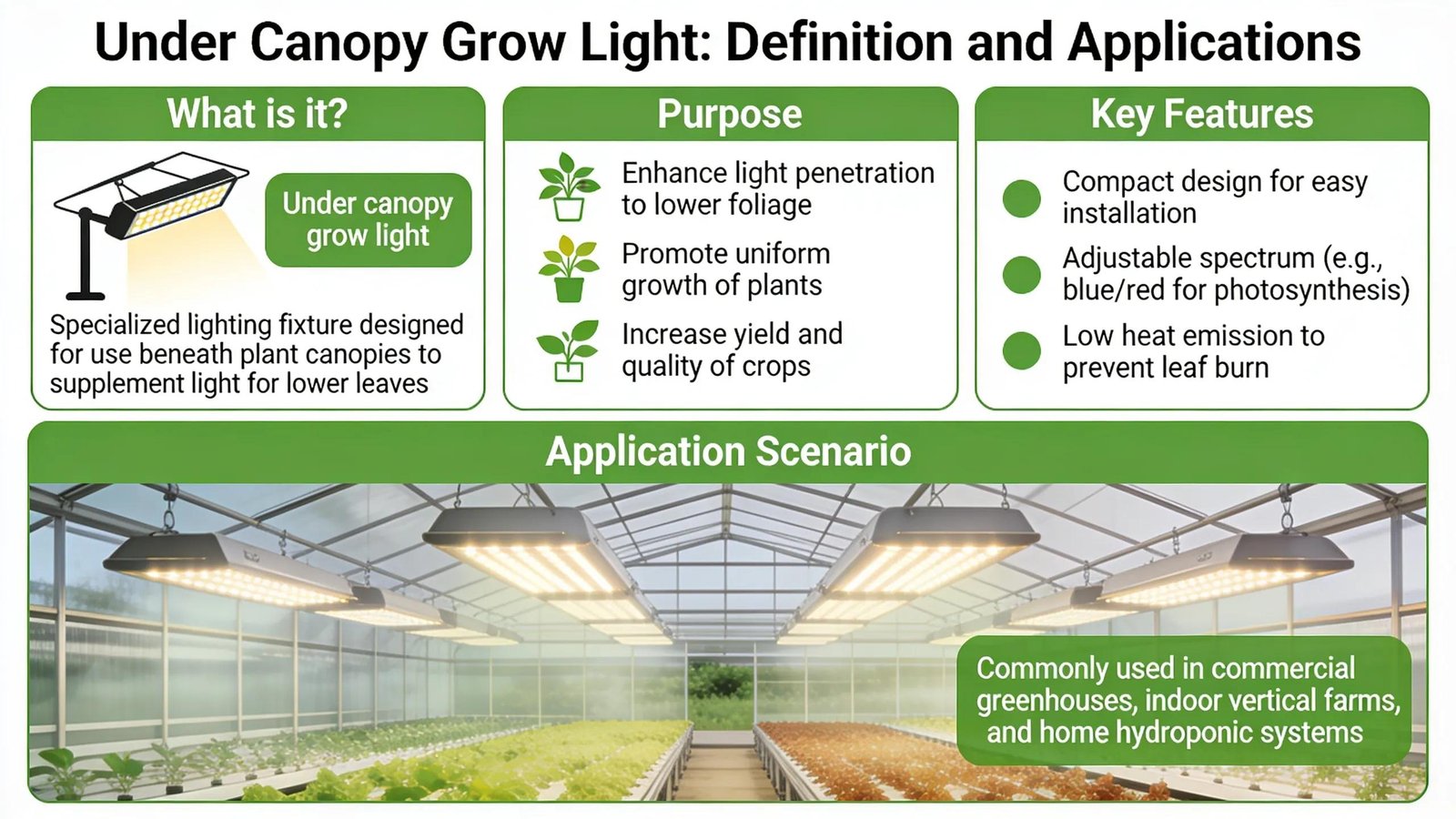
Under canopy grow lights deliver supplemental illumination directly to lower plant zones, targeting areas the main canopy blocks. UPLUX designs fixtures for this exact purpose, positioning light beneath dense foliage to reach lower nodes. This eliminates larf, strengthens bud density on lower branches, and increases usable yield across commercial and home cultivation setups alike.
An under canopy grow light is a specialized LED fixture that delivers targeted illumination to the lower portions of plants. The stems, lower branches, and shaded leaves that main overhead lights cannot reach. These fixtures ensure even light distribution from top to bottom, preventing the common problem of underdeveloped “larf” buds that form when lower plant sections receive insufficient photosynthetic energy. Instead of leaving those bottom areas to produce weak growth, an under canopy grow light redirects photons to where they otherwise would not penetrate.
Standard overhead grow lights saturate the top canopy at high intensity while the lower plant sections operate in deep shade. As plants mature, upper leaves block a notable share of available light, estimated at 80%, from reaching the bottom. An under canopy grow light mounts below or beside the main canopy, often along the floor or lower trellis levels, to supply direct illumination from below. This bottom-up approach ensures every bud site — not just the top colas — receives enough light to develop density and weight.
UPLUX manufactures professional LED grow lighting and control solutions tailored for indoor cultivation, propagation, and controlled-environment agriculture. Growers choose UPLUX for its commitment to professional-grade LED lighting, which includes purpose-built under canopy fixtures designed for both single-light installations and complete lighting systems in large commercial facilities. Professional-grade units deliver:
Higher photon output per watt compared to consumer-grade alternatives
Uniform spread patterns designed specifically for horizontal under-canopy placement
Durable housings that withstand the high-humidity conditions near soil level
Compatibility with Centralized LED Grow Light Controllers: Automating Dimming, Sunrise/Sunset, and for dimming and scheduling across an entire facility
Lower canopy leaves need extra light because the upper canopy blocks the majority of available photons. When the top of a plant receives very high light levels—around 1,000 µmol/m²/s in ambient conditions—adding more light to that upper zone does not significantly improve efficiency. The saturated top leaves cannot use additional energy effectively, while the shaded lower leaves starve for photons.
Research from Fluence demonstrates that adding light to the lower canopy increases total yield. Without this supplemental light, lower leaves remain in deep shade, produce minimal photosynthetic output, and often develop into low-quality “larf” buds. The plant allocates energy to these shaded sites inefficiently, reducing overall harvest weight and density.
Upper canopy saturation: Top leaves reach photosynthetic saturation at high PPFD levels, wasting additional light energy as heat
Lower canopy deficit: Shaded leaves operate far below their photosynthetic potential, often receiving less than 10% of available light
Diminishing returns: Adding more light to an already saturated canopy yields negligible gains, while redirecting that light to lower leaves unlocks significant productivity
UPLUX provides lighting solutions that meet the needs of projects of every size, from compact indoor grows to expansive, multi-light installations. Proper under canopy grow light placement transforms shaded lower zones into productive fruiting sites, eliminating the yield penalty of dense canopies.

Selecting an under canopy grow light fixture requires matching the light’s beam angle and power to the specific crop canopy density. A fixture with a wide 260° angle ensures that plants at all stages of growth receive even. Full light coverage, even in shaded areas beneath dense foliage. Without this broad spread, lower branches remain in darkness, producing loose, airy buds that reduce overall crop value.
The beam angle determines how much of the lower canopy receives usable light. A 260° angle distributes photons across a wider footprint, eliminating dark zones under the main canopy. Narrower angles create hot spots directly below the fixture while leaving surrounding lower growth underlit. For multi-tier or trellised crops, a wide-angle fixture delivers uniform penetration from edge to edge.
Fixture wattage dictates how many units a facility needs per square foot of under-canopy space. A 100W fixture like the ADlite 100 provides sufficient intensity for a single row beneath a mature canopy. Growers should calculate total wattage based on canopy density and row spacing. UPLUX offers a direct buying path for individual products and personalized support for larger, complex installations, making it easier to scale from a single tent to a multi-room facility.
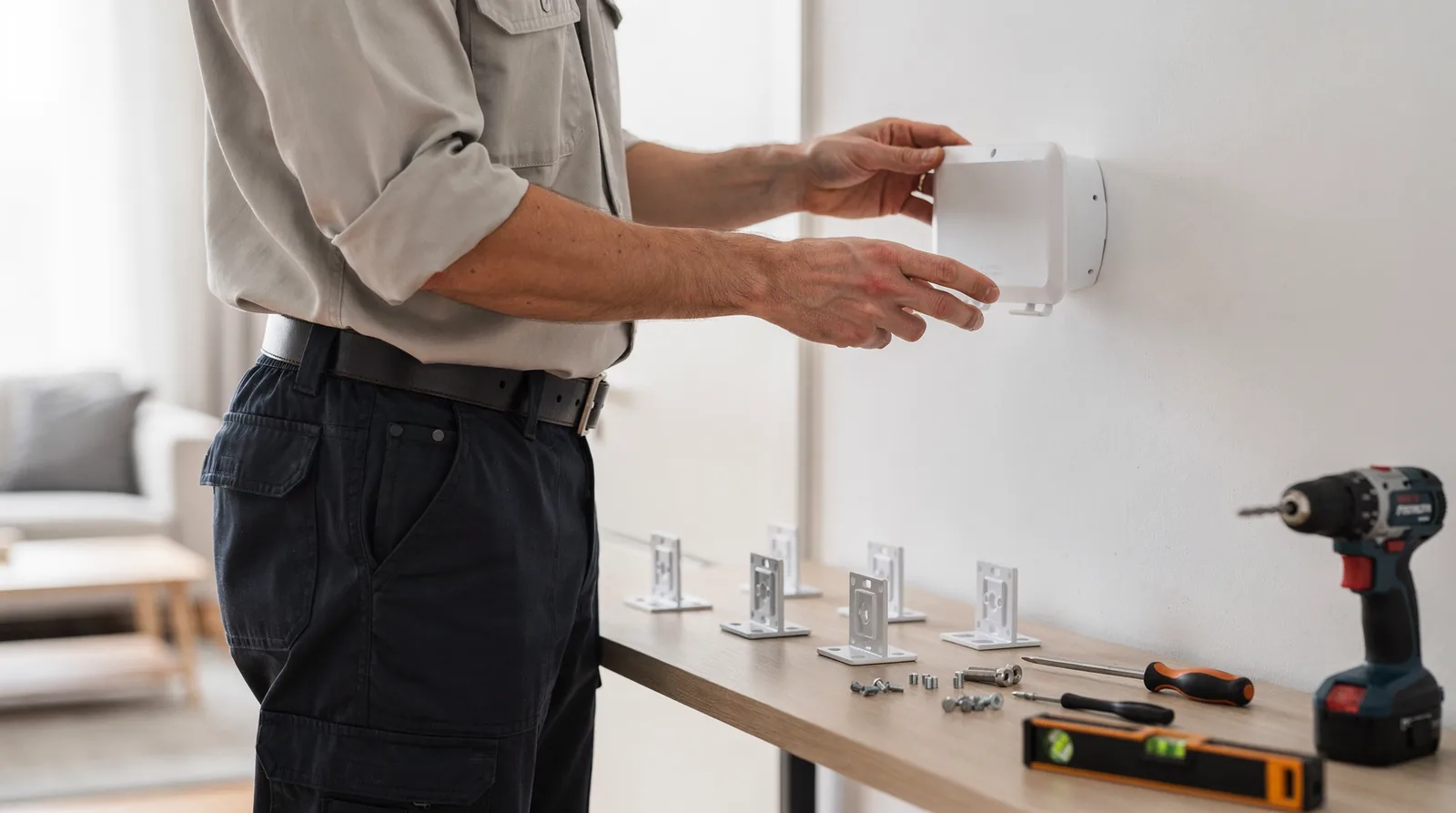
An under canopy grow light offers three distinct assembly configurations that adapt to different grow room layouts. Growers can choose upright, side, or hanging placement depending on the available space and plant architecture. This flexibility allows the same fixture to serve a compact tent or a multi-tier commercial rack without requiring additional mounting hardware.
The IP65 waterproof construction allows these lights to operate safely in humid environments. Grow tents and indoor gardens routinely reach high moisture levels during irrigation and transpiration cycles. Standard fixtures risk corrosion or electrical failure under those conditions. An IP65-rated under canopy light withstands wet conditions without compromising performance, making it suitable for placement directly beneath dense foliage where condensation collects.
Upright placement positions the light vertically between plant rows, directing photons sideways into the lower canopy. Side mounting works well for trellised crops where horizontal light penetration matters most. Hanging the fixture beneath the canopy provides direct downward illumination for the lowest branches and stems. UPLUX’s professional lighting solutions integrate into environments ranging from compact indoor grows to expansive, multi-light installations. Each configuration targets a specific light-distribution challenge. Growers can switch between them as the crop matures and canopy density changes.
For commercial growers and home cultivators alike, an under canopy grow light repays its cost when canopy density blocks natural light penetration to lower branches. Research from Dr. Josh Hawley at Fluence shows that adding light below the canopy — where ambient top-light levels reach 1,000 µmol± — operates in a zone of diminishing returns for the upper leaves. Those saturated upper leaves cannot convert extra top-light into biomass efficiently. Redirecting power to the understory captures yield that otherwise stays on the table as larf.
UPLUX delivers cutting-edge LED lighting solutions that cater to both individual growers and large-scale commercial facilities. Every installation faces the same physics: light intensity drops exponentially from canopy top to bottom. Without supplemental side or under-canopy fixtures, lower bud sites receive less than 10% of the top canopy’s photon count.
The value of under canopy lighting depends entirely on crop architecture and facility layout. Tall, densely grown cultivars experience the largest gain because their lower nodes spend weeks in near-darkness. Research evidence indicates that under canopy lighting reliably transforms previously unmarketable lower growth into saleable flower.
Low-density plant canopies or facilities already running light-mover systems see marginal benefit from under canopy fixtures. The tool works best as a complement to an already-optimized top-light plan, not as a substitute for poor overhead coverage.
Commercial growers evaluating the cost should model their own canopy density. UPLUX provides professional lighting solutions with a focus on quality and customer support, aiding both small and large-scale growers. A proper photon budget for the understory closes the gap between genetic potential and harvested weight.
In closing, under canopy grow lights represent a critical investment in maximizing your cultivation’s potential, and UPLUX delivers the professional-grade LED solutions that make this strategy effective. Whether you’re optimizing a single-light setup or managing a comprehensive multi-light system, UPLUX’s commitment to quality lighting and customer support ensures your plants receive the precise illumination they need at every growth stage. By choosing UPLUX, you gain access to proven technology backed by direct expertise and a global distribution network ready to support your growing success.
An under canopy grow light is a specialized LED fixture that delivers targeted illumination to the lower portions of plants — the stems, lower branches, and shaded leaves that main overhead lights cannot reach. By supplying photons directly to these shaded zones, it prevents underdeveloped “larf” buds and helps plants develop density from top to bottom.
The upper canopy blocks the majority of available light from reaching lower leaves, often leaving them with less than 10% of the photons the top canopy receives. Once upper leaves reach photosynthetic saturation, adding more light overhead produces little benefit, while redirecting that light to the lower canopy unlocks meaningful gains in yield and bud quality.
Match the fixture’s beam angle and wattage to your canopy density. A wide beam angle of 260° or more spreads light evenly across the lower canopy and eliminates dark zones, while wattage (such as a 100W unit) should be sized to your row spacing and canopy density so every bud site receives adequate coverage.
Under canopy grow lights typically support upright, side, or hanging placement, so growers can adapt the same fixture to a compact tent or a multi-tier commercial rack. Look for an IP65 waterproof rating as well, since it allows the fixture to operate safely in the humid conditions common beneath dense foliage.
For canopies dense enough to block light from reaching lower branches, under canopy lighting typically pays for itself by converting previously unmarketable “larf” growth into saleable flower. It delivers the least benefit for low-density canopies or facilities already running light-mover systems, where it functions best as a complement to an optimized top-light plan rather than a replacement for it.
Compare the UPLUX 720 and 840 LED grow lights by power, efficiency, controls, cooling and installation needs to choose the right fixture.
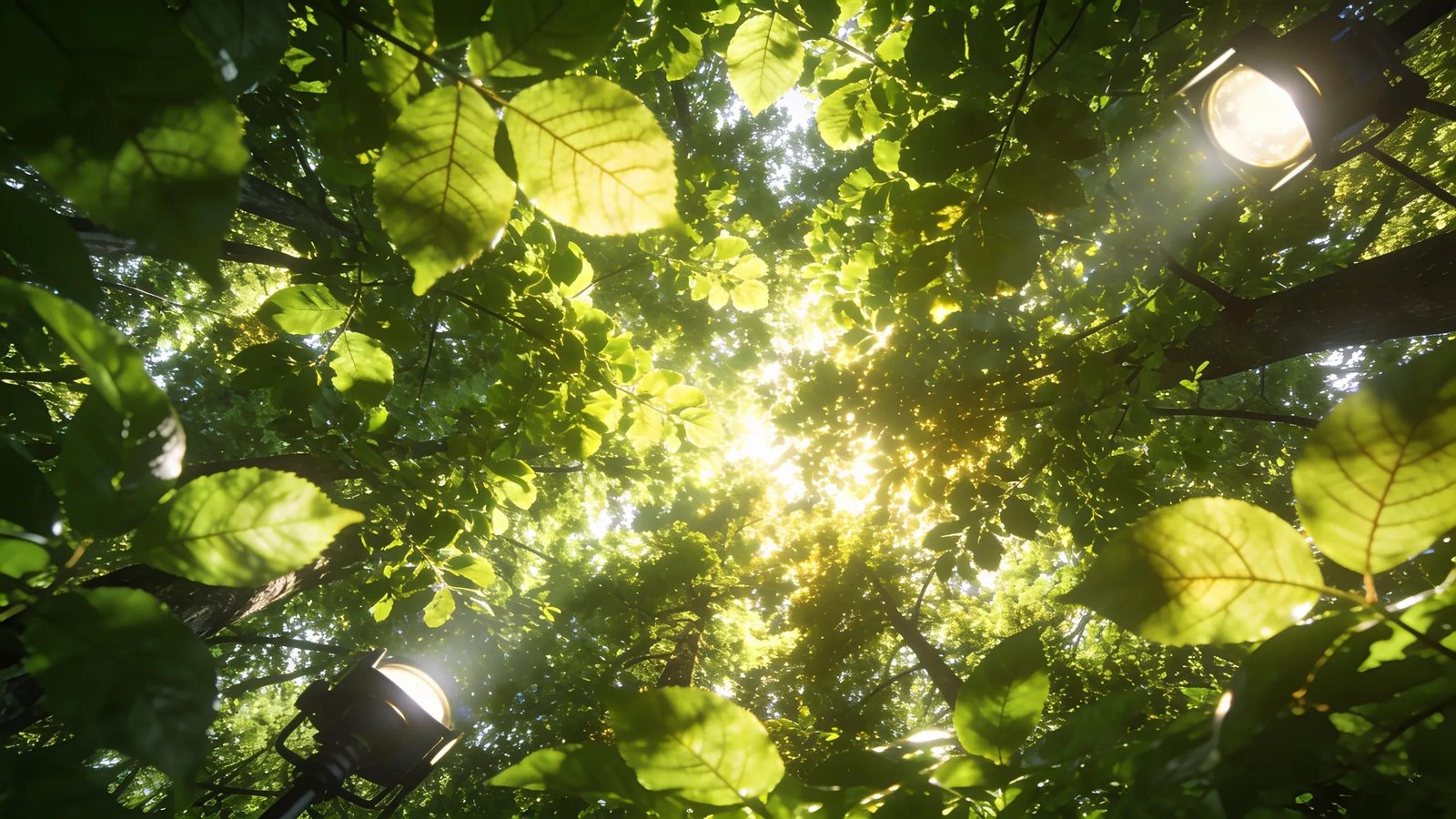
UPLUX under canopy grow lights deliver targeted illumination to lower plant zones, eliminating larf and boosting bud density for higher yields.
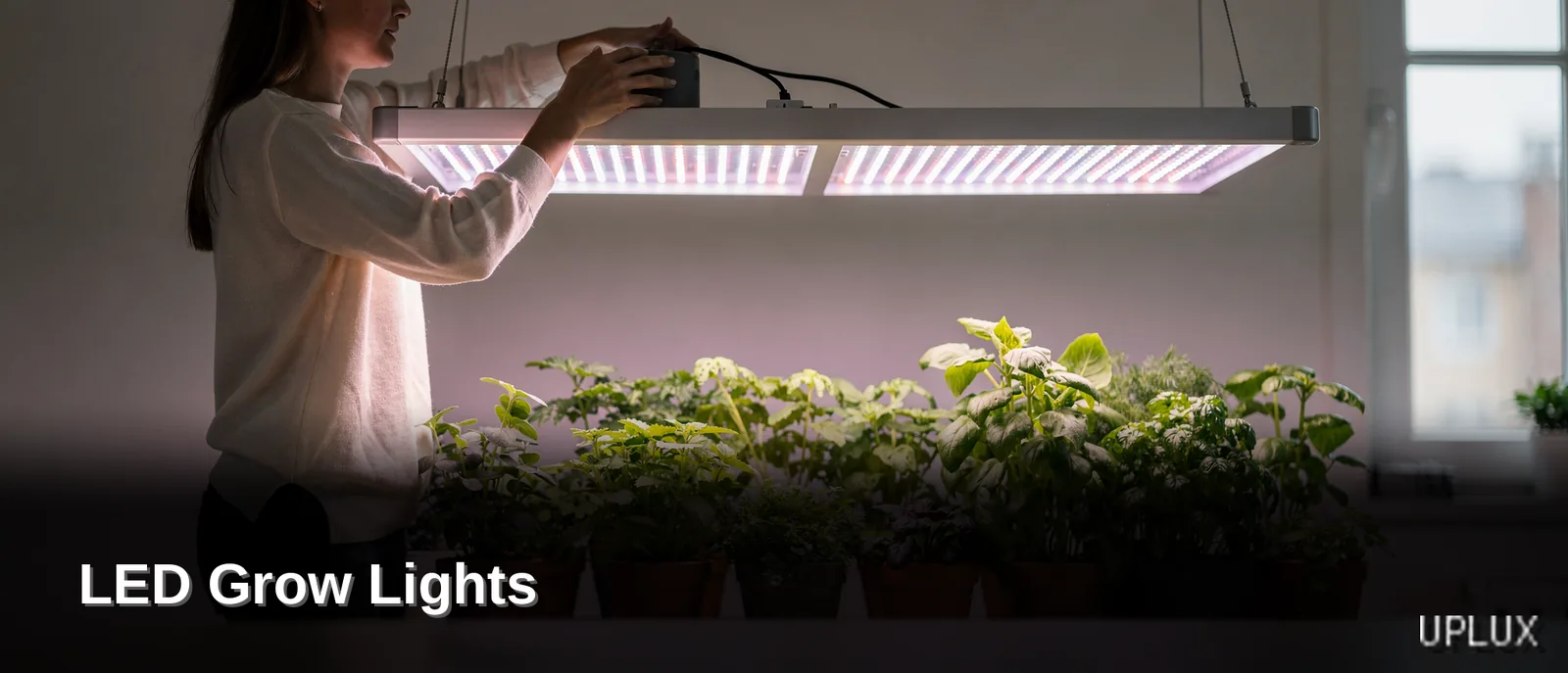
Learn how to compare LED grow lights by PPF, PPFD, PPE, spectrum, form factor, controls and operating cost—and explore verified UPLUX fixtures.